Global Money Week Newsletter

Editorial Team


Between 18 and 24 March, Revenue Commissioners (Irish Tax and Customs) participated in Global Money Week (GMW) 2024. Organised by the Organisation for Economic Co-operation and Development (OECD), GMW is an annual worldwide financial awareness campaign for children and young people. The goal of GMW is to give young people the knowledge, skills, and attitudes necessary to make sound financial decisions and ultimately achieve financial wellbeing and resilience. In 2024, GMW was coordinated in Ireland by the Competition and Consumer Protection Commission (CCPC), with organisations and schools throughout Ireland taking part.

The official GMW slogan is “Learn. Save. Earn”. This slogan represents the key messages of GMW, empowering students to learn about money management, as well as encouraging them to save for their futures and develop skills which will support them in obtaining employment or becoming self-employed. 

Each year, GMW also focuses on a theme. GMW2024 theme, “Protect your money, secure your future,” focused on safe money management and being aware of potential risks such as financial scams and fraud, including phishing, smishing and identity theft. 

What did Revenue do for Global Money Week 2024? 

Revenue issued a GMW newsletter to educators who had previously registered to receive education focused newsletters from Revenue. The newsletter provided subscribers with information on:

  • What is GMW
  • the GMW organiser within Ireland
  • the GMW 2024 events and activities
  • Revenue’s involvement in GMW.
     
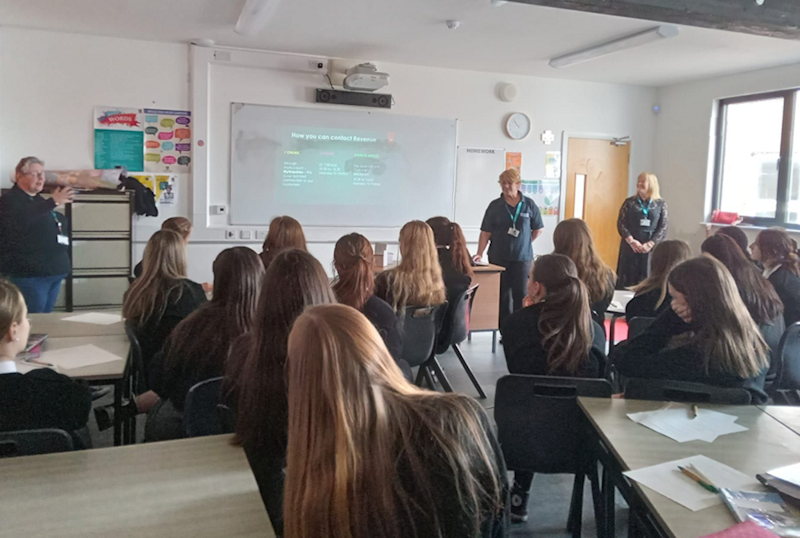
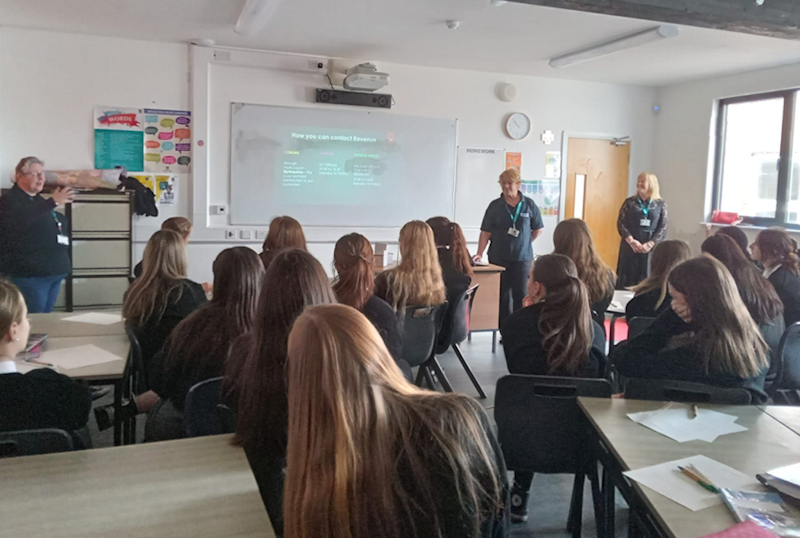
Classroom with students


During GMW, Revenue’s Schools outreach team visited a select number of secondary schools, delivering presentations to students in Transition Year, 5th and 6th year. The presentations included topics such as

  • how to get set up on myAccount to manage your own taxes and
  • how to use Revenue’s online services safely and securely.

Revenue Online Services


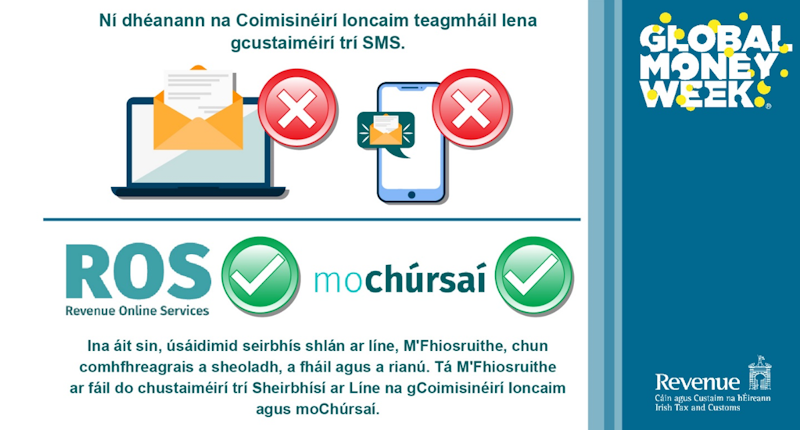
Revenue shared key messages on its X (formerly Twitter) account. These messages provided information on:

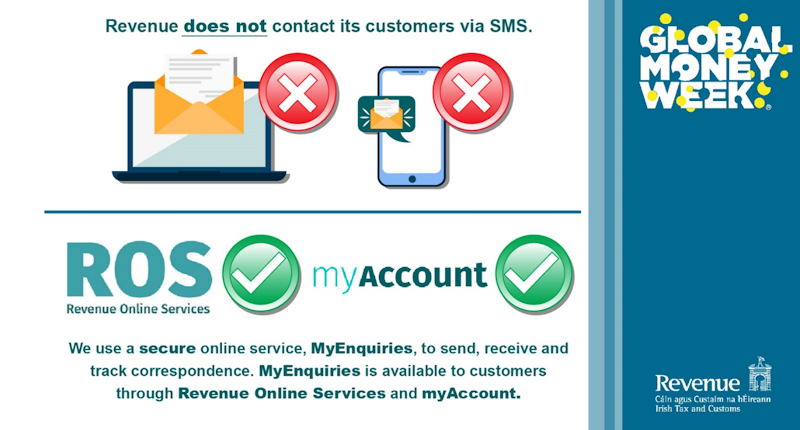
  • how to use Revenue’s online services (ROS and myAccount) safely
  • how Revenue contacts its customers
  • common scams for customers to be aware of.


These messages received over 15,000 views during GMW. 

Alongside its work during Global Money Week, Revenue continues to promote its Transition Year “Introduction to Tax ‘module, through attendance at various teacher conferences. Launched in October 2023, over 2,500 students across Ireland have so far undertaken the Introduction to Tax course. The course is free to download from the Revenue website, and includes all materials needed to teach the course. The module provides students with the knowledge and skills necessary for students to manage their own tax affairs.

TAXEDU pomáha prváčikom zoznámiť sa s daňami

18 prváčikov zo ZŠ Tulipánová v Nových Zámkoch si pozrelo 29.apríla 2024 video o Too Cute a spoznali pojem „dane“ počas návštevy príslušníčok FS z oddelenia vzdelávania verejnosti v ich školskom klube. Deti skvele reagovali na otázky, čo vlastne dane znamenajú, vedeli aj o zákonnej povinnosti platiť dane pre všetkých občanov. Naučili sa nové pojmy ako „štátna pokladnica“ a za správne odpovede na otázky, „kam putujú spoločne vyzbierané dane“ vyhrali aj malé darčeky - šporiace prasiatka z FS. Aktívne hľadali odpovede aj na otázky, čo všetko sa dá za spoločne vyzbierané dane zaplatiť a postaviť pre celú spoločnosť. Pani učiteľka si pozorne zaznamenala adresu stránky a potešila sa, že môže využívať náučné videá pre mladšie deti aj s podobnou daňovou tématikou.
Language
Slovenčina

TAXEDU helps the first graders get acquainted with the expression "taxes"

Editorial Team

18 first grade students from a primary school in Nové Zámky were introduced to the topic of "taxes", with the help of the ‘Too Cute’ video from the TAXEDU website. The students answered questions regarding the meaning of taxes. The Financial Administration gave piggy bags to the students as a reward for giving multiple answers on the question "Where does the collected money go?". The visit of the employees of the Financial Administration introduced the class to whole host of new terms such as "state treasury". The kids also learned about the legal requirement for all citizens to pay taxes. The class teacher was made aware of how to access the TAXEDU resources online and has  future plans to use the videos to further explore  more tax topics. 

Predavanje za učitelje o možnostih uporabe Taxedu platforme pri pouku

Finančna uprava Republike Slovenije si že desetletje prizadeva za osveščanje mladih v Sloveniji o pomenu davkov za družbeno blaginjo vseh prebivalcev z izvajanjem projekta Davčno opismenjevanje mladih v osnovnih in srednjih šolah ter na fakultetah. Tokrat pa se je odzvala na povabilo Zavoda za šolstvo Republike Slovenije in Ministrstva za šolstvo Republike Slovenije, ki sta organizirala posebno izobraževanje za učitelje o krepitvi finančne pismenosti, katere del je tudi poznavanje davkov. V sodelovanju z Banko Slovenije je bil 18. 3. in 3. 4. 2024 izveden dvodnevni seminar za učitelje, kjer je prvi dan bil namenjen bolj finančnim in bančnim vsebinam, drugi dan pa davkom. Pod naslovom: »Kako mladim v šoli govoriti o davkih?« so bile predstavljene vsebine, ki bi jih morali poznati učitelji, če bi želeli v razredih učencem predstaviti davčne vsebine. Kot praktična ponazoritev organizacije učne ure na temo davkov je bila predstavljena spletna platforma TaxEdu, in sicer risanke za otroke med 9. in 12. letom in e-tečaji za srednješolce. Z ogledom posameznih posnetkov in e-modulov so učitelji lahko dobili realen vpogled v to, kako bi učna ura o davkih lahko potekala. Z videnim so bili udeleženci zelo zadovoljni in so zagotovili, da bodo v okviru svojih učnih vsebin vključili tudi platformo TaxEdu, čeprav v Sloveniji davčne vsebine še niso zajete v obvezni šolski kurikul. Zavedajo se, da je osveščanje mladih o pomenu plačevanja davkov resnično pomembno za prihodnost mladih, saj jim zagotavlja brezplačno šolanje vse do diplome na fakulteti, socialno varnost v času ustvarjanja družine, dostopno javno zdravstvo za vse kot navsezadnje za socialno varnost v življenjskem obdobju po upokojitvi. Zaključni del delavnice pa je bila priprava lastne učne ure o finančni in davčni pismenosti za svoje učence, kar so učitelji zelo uspešno opravili v spletni učilnici. Izvedeno izobraževanje je pokazalo veliko potrebo tudi po osveščanju in izobraževanju odraslih o plačevanju davkov kot temeljnem pogoju, da moderna družba lahko deluje in zadovoljuje naše skupne potrebe. V šolskem prostoru so namreč prav učitelji ključni dejavnik, ki lahko zavedanje o plačevanju davkov kot državljanske vrednote pri mladih dvigne na višjo raven, zato bi se morali v prihodnje posvečati tudi tej ciljni skupini in ne samo mladim neposredno.
Language
Slovenščina

Lecture for Teachers on the Possibilities of Using the TaxEdu Platform in Teaching

Editorial Team

For a decade, the Financial Administration of the Republic of Slovenia has been striving to raise awareness among young people in Slovenia about the importance of taxes for the social welfare of all citizens. The Financial Administration implemented the project "Tax Literacy for Youth" in primary and secondary schools as well as universities. This time, it responded to an invitation from the Institute of Education of the Republic of Slovenia and the Ministry of Education of the Republic of Slovenia, which organized a special training session for teachers to improve financial literacy, including knowledge of taxes. In collaboration with the Bank of Slovenia, a two-day seminar for teachers was held on March 18 and April 3, 2024.The first day focused on financial and banking topics, while the second day was dedicated to taxes. Under the title "How to Talk to Students About Taxes in School?", teachers were introduced to topics that they should be familiar with if they wanted to deliver tax-related topics to students in their classrooms. As a practical illustration of organizing a lesson on taxes, the online platform TaxEdu was presented, including cartoons for children aged 9 to 12 and e-courses for high school students. By watching individual videos and e-modules, teachers could gain a realistic insight into how a lesson on taxes could be conducted. Participants were very satisfied with what they saw and stated that they would incorporate the TAXEDU platform into their teaching materials, even though tax-related subjects are not yet included in the mandatory school curriculum in Slovenia. They are aware that raising awareness among young people about the importance of paying taxes is truly important for the future of the youth, as it guarantees them free education up to university, social security during family formation, accessible public healthcare for all, and ultimately, social security in retirement. The concluding part of the workshop involved teachers preparing their own lesson on financial and tax literacy for their students, which they successfully completed in the online classroom. The training session has shown a great need for raising awareness and educating adults about paying taxes as a fundamental condition for a modern society to function and meet our common needs. In the school environment, teachers are indeed the key factor who can increase the awareness of paying taxes as a civic value among young people. Therefore, in the future, attention should also be paid to this target group and not only directly to young people. 

In Sicilia lezione di legalità fiscale all’Università

La Direzione regionale dell’Agenzia delle Entrate della Sicilia ha incontrato gli studenti dell’Università di Palermo. Argomento della lezione, “Legalità fiscale per l’equità sociale”. I funzionari delle Entrate hanno prima illustrato la mission dell’Agenzia: promuovere la tax compliance, cioè il massimo livello di adempimento spontaneo degli obblighi fiscali. Successivamente sono state descritte le principali attività dell’Amministrazione fiscale: assistenza e servizi ai contribuenti e controlli per il recupero dell’evasione. La lezione si è poi focalizzata sul progetto Fisco e Scuola, con cui l’Agenzia delle Entrate dal 2004 incontra gli studenti delle scuole primarie e secondarie per parlare di legalità fiscale.  Nella seconda parte della lezione, invece, si è parlato della Costituzione italiana, la legge più importante del Paese, e di come stabilisca i principi fondamentali del sistema tributario nazionale: quelli di giustizia fiscale, legalità e capacità contributiva (chi più ha, più paga). La Costituzione, inoltre, stabilisce anche il dovere di solidarietà politica, economica e sociale secondo il quale tutti hanno l’obbligo di pagare le tasse allo Stato per contribuire al funzionamento dei servizi pubblici garantiti a tutta la collettività. Alla fine della lezione, gli studenti sono stati sottoposti a un test finale per accertare le competenze acquisite e hanno partecipato a un dibattito sui temi dell’evasione fiscale. I ragazzi hanno partecipato alla lezione e al dibattito con grande interesse, esprimendo in modo netto un giudizio negativo su quanti evadono le tasse. 

Language
Italiano

Sicily, lesson on tax legality at the University

Editorial Team

In Italy, the Sicily Regional Directorate of the Italian Revenue Agency met students at the Palermo University. The topic of the lesson was “Tax legality and social fairness”. Tax officials outlined the Agency’s mission: promote tax compliance, that is, the highest level of voluntary fulfilment of tax obligations. Then, they described the Revenue Agency’s main activities: providing services and assistance to taxpayers and carrying out assessments aimed at countering tax evasion. The lesson also focused on “Tax and School”, the educational project through which Italian Tax administration meets primary and secondary level students to talk about tax legality. In the second part of the lesson, tax officials talked about the Italian Constitution, the most important Italian law which establishes the main principles of the Italian tax system: tax fairness, legality, and the ability to contribute (who has more, pays more). The Constitution, moreover, establishes the duty of political, economic, and social solidarity. The duty of economic solidarity also implies the obligation to pay taxes to the State to contribute to the functioning of the public services guaranteed to all citizens. At the end of the lesson, students underwent a final test to assess their learning and participated in a debate on tax evasion issues. The students took part in the lesson and in the debate with great interest, expressing a negative opinion on the tax evaders.

Lezioni di legalità fiscale in una scuola congolese


Quest’anno alcuni funzionari dell'Agenzia delle Entrate e dell’Agenzia delle entrate-Riscossione (agente della riscossione in Italia) della Sicilia hanno condiviso il progetto italiano "Tax and School" con una scuola internazionale del Congo per raggiungere i futuri cittadini e condividere con loro momenti di crescita e di impegno civile. Insieme hanno riflettuto sull'importanza e l'utilità delle tasse e del loro utilizzo per il bene pubblico.

I bambini hanno partecipato al webinar con grande interesse. Molti di loro sono figli di lavoratori europei.

Gli insegnanti li avevano preparati da tempo all’evento e allo studio del sistema fiscale in Europa e nel mondo; infatti, gli studenti hanno accolto le lezioni con grande attenzione. La nostra esperienza di educazione fiscale è stata trasmessa oltre i nostri confini, condividendo il nostro sistema tributario e l'importanza di una società equa. I ragazzi si sono dimostrati molto interessati alle argomentazioni dei funzionari dell'Agenzia, disapprovando i comportamenti degli evasori fiscali che negano benessere e crescita al Paese.

La multiculturalità dei nostri tempi ha confermato come le differenze creino ricchezza, offrendo spunti comuni di crescita e miglioramento. Bambini di nazionalità diverse nella stessa classe che si interrogano su come vivere in una società equa fanno sperare in un futuro migliore.

I bambini di tutte le culture hanno manifestato la fiducia in un mondo governato da leggi giuste che assicurino a tutti pace e benessere condiviso, e questo è l'obiettivo più importante. 

Aprire il dialogo sulla legalità fiscale in Congo ha significato parlare di servizi sociali e benefici per tutti.  La realtà congolese, che questi giovani alunni vivono ogni giorno, sebbene attraverso il filtro della loro diversa nazionalità, ha bisogno di nuovi spunti e di una rinnovata coscienza civile capace di affrontare la sfida per la costruzione di una cultura politica ed economica più propositiva e innovativa. I bambini hanno ascoltato i contributi dei funzionari e siamo certi che il seme della legalità gettato in loro darà buoni frutti nel tempo.

Language
Italiano

Lessons in fiscal legality in a Congolese school

Editorial Team


This year, officials from the Agenzia delle Entrate (Tax Office) and the Agenzia delle Entrate-Riscossione (Italian debt collection agency) in Sicily shared the Italian project "Tax and School" with an international school in Congo to reach citizens of the future and offer them opportunities for growth and civic engagement. Together they reflected on the importance and benefit of taxes and their utilisation for the public good.

The children took part in the webinar with great interest. Many of them are children of European workers.

The teachers had been preparing them for the event and for the study of the tax system in Europe and around the world for some time; in fact, the students paid close attention to the lesson. Our tax education experience has been extended beyond our borders, sharing our tax system and the importance of a fair society. The children were very interested in the topics presented by the Agency officials, frowning upon the behaviour of tax evaders who undermine the country's well-being and growth.

The multiculturalism of our times has affirmed how differences create wealth, offering common ground for growth and improvement. Children of different nationalities in the same class who reflect on how to live in a fair society provide hope for a better future.

Children of all cultures expressed their belief in a world guided by just laws that ensure peace and shared well-being for all, and this is the most important goal. 

Opening the dialogue on fiscal legality in Congo has meant talking about social services and benefits for everyone.  The situation in Congo, which these young students experience every day, albeit through the filter of their different nationalities, needs new inspiration and a renewed social conscience which can address the challenge of building a more proactive and innovative political and economic culture. The children listened to the ideas presented by the officials and we are confident that the seed of law cast in their direction will bear fruit over time.

Ireland hosts the Fiscalis Project Group on Tax Education (FPG 031)

Editorial Team


On Wednesday 29 and Thursday 30 November, Revenue (Irish Tax and Customs) hosted the first in-person meeting of the Fiscalis Project Group (FPG) on Tax Education in the historic grounds of Dublin Castle, headquarters of Revenue. 

The meeting was opened by Brian Boyle, Assistant Secretary for Accountant General's & Strategic Planning Division, Revenue (Irish Tax and Customs). Mr Boyle welcomed the delegates, who represented tax administrations from Austria, Italy, Lithuania, Malta, Slovakia, Slovenia and Spain. 

Delegates from five tax administrations gave presentations on a variety of topics, including their current national programmes, research on tax literacy, as well as potential future initiatives that the group could undertake. 

A series of breakout sessions were organised throughout the day and a half meeting. The breakout sessions provided the opportunity for delegates to share experience and advice, based on the work of their national administrations in tax education. Delegates were invited to propose solutions to common challenges, share advice on the design, promotion, and delivery of tax education initiatives and to look at what participants of the FPG would like the group to achieve in the future. 

On Day 2, DGTAXUD’s consortium of external contractors provided a progress update on their work throughout the year, as well as future developments. The Project Group appreciate the work and support of the consortium throughout the year. 

Two men shaking hands in front of a sign

Description automatically generated

To close the meeting, the role of Project Group Chair was officially handed over from Revenue (Ireland) to Agenzia Della Entrate (Italy). Delegates from Italy provided an overview of their national tax education initiatives to date, providing a glimpse into potential areas that could be explored by the Project Group in the next year. 

The Project Group eagerly await 2024, where under the chairmanship of Agenzia Della Entrate, members hope to increase tax education amongst young people across the EU. 


Subscribe to