Taxele și impozitele: coloana vertebrală a serviciilor publice


Descoperiți cum finanțează taxele și impozitele o serie de servicii publice esențiale și de ce contribuția dumneavoastră contează.

Toată lumea plătește taxe și impozite. De exemplu, atunci când cumpărați ceva dintr-un magazin, când câștigați un salariu la locul de muncă sau când dețineți o locuință, veți plăti taxe și impozite. Taxele și impozitele nu sunt o idee nouă. Acestea au fost plătite de-a lungul istoriei, iar pe unele le plătim și în prezent. De exemplu, în Imperiul Roman Antic, oamenii plăteau impozit pe proprietate, taxe vamale, o taxă generală pe vânzarea de mărfuri și un impozit pe moștenire. Variațiuni ale acestor taxe și impozite încă sunt plătite în țări din întreaga UE. Deci ce sunt taxele și impozitele și de ce le plătim?

Ce sunt taxele și impozitele?

Taxele și impozitele sunt o contribuție comună obligatorie. Acestea sunt percepute de autoritățile publice pentru plata serviciilor publice. Oameni de toate vârstele beneficiază de pe urma serviciilor publice finanțate din taxe și impozite, cum ar fi spitale, școli, drumuri publice, poliție și parcuri publice. Puteți identifica alte servicii publice din zona dumneavoastră care sunt finanțate din taxe și impozite?

Deseori, considerăm de la sine înțeleasă disponibilitatea serviciilor publice. Cu toate acestea, dacă oamenii nu și-ar plăti taxele și impozitele, serviciile publice ar avea de suferit.  În cazul în care finanțarea este insuficientă sau lipsește cu desăvârșire, anumite servicii nu ar mai exista, iar altele ar fi atât de scumpe, încât oamenii nu și le-ar putea permite. Prin urmare, este important ca toată lumea să își plătească taxele și impozitele, astfel încât aceste servicii să fie disponibile tuturor.

Cine controlează banii colectați din taxe și impozite?

Banii colectați din taxe și impozite sunt plătiți fie la bugetele naționale, fie la cele locale. În unele țări, bugetul național finanțează bugetele locale. În alte țări, taxele și impozitele pe locuințe și mașini merg la bugetul local.

Responsabilitatea de a decide asupra modului de cheltuire a bugetelor locale și naționale le revine funcționarilor publici aleși. Acești funcționari pot fi aleși în:

  • Consiliile locale – comunele și orașele au consilii locale care decid cum este utilizat bugetul local. Consiliul ia decizii în beneficiul comunităților locale.
  • Parlamente – parlamentele naționale decid cum este cheltuit bugetul național. Membrii parlamentului iau decizii în beneficiul întregii țări.

UE nu are un rol direct în colectarea taxelor și impozitelor, în stabilirea cotelor de impozitare sau în deciziile cu privire la modul în care sunt cheltuite bugetele locale sau naționale ale statelor membre. UE supraveghează însă normele fiscale naționale în anumite domenii. Scopul este de a se asigura că întreprinderile nu beneficiază de avantaje injuste față de întreprinderile din altă țară și că consumatorii, lucrătorii și întreprinderile nu sunt discriminați din cauza taxelor și impozitelor altei țări din UE. De asemenea, UE lucrează la protejarea pieței unice. Piața unică permite comercializarea transfrontalieră liberă a mărfurilor și serviciilor în UE.

Eurostat, Oficiul pentru Statistică al Uniunii Europene, oferă pe site-ul său web informații despre cheltuielile publice ale statelor membre ale UE, astfel că puteți vedea defalcat cheltuielile, în funcție de țară și de categorie. Unele țări au, de asemenea, propriile site-uri web dedicate unde sunt prezentate cheltuielile publice și alocările.

Irlanda:  https://www.whereyourmoneygoes.gov.ie/en/

Slovenia:  https://proracun.gov.si/

Spania: https://transparencia.gob.es/transparencia/transparencia_Home/index/PublicidadActiva/Presupuestaria/Ejecucion-presupuestaria.html

În Italia, Agenția Italiană de Administrare Fiscală le furnizează contribuabililor un raport și o sinteză în care explică modul în care au fost utilizate taxele și impozitele plătite de aceștia în anul precedent.

Aceste informații promovează transparența, permițând publicului să vadă cuantumul cheltuielilor alocate de autorități și domeniile de alocare. 

Unde pot afla mai multe?

Pentru a afla mai multe despre impozitarea în UE, explorați gama noastră de materiale educaționale disponibile pe site-ul web TAXEDU.

Language
Română

Davki: temelj javnih storitev


Odkrijte, kako davki omogočajo financiranje osnovnih javnih storitev in zakaj je vaš prispevek pomemben.

Vsi plačujemo davke. Na primer, ko opravite nakup v trgovini, ko zaslužite plačo v službi, ali če imate v lasti nepremičnino, boste plačali davke. Davki niso nekaj novega. Vse skozi zgodovino so ljudje plačevali davke in nekatere od njih plačujemo še danes. Na primer, v antičnem Rimu so ljudje plačevali nepremičninski davek, splošni davek na dobrine in davek na dediščino. Različice teh davkov državljani EU plačujemo še danes. Torej, kaj so davki in zakaj jih plačujemo?

Kaj so davki?

Davki so obvezni skupni prispevek. Plačujemo jih javnim organom za financiranje javnih storitev. Ljudje vseh starosti uporabljajo javne storitve, kot so na primer bolnišnice, šole, javne ceste, policijo in javne parke, ki jih financirajo davki. Poznate še kakšne druge javne storitve v vašem območju, ki se financirajo z davki?

Javne storitve večkrat jemljemo za samoumevne. Če ljudje ne bi plačevali davkov, bi bile te storitve ogrožene.  V primeru nezadostnega ali popolnega pomanjkanja sredstev, bi določene storitve prenehale obstajati, druge pa bi bile tako drage, da si jih ljudje ne bi mogli privoščiti. Zato je pomembno, da davke plačujemo vsi in so te storitve lahko na voljo vsem.

Kdo upravlja z denarjem, ki pride od davkov?

Denar od davkov se steka v državni ali v lokalni proračun. V določenih državah državni proračun financira lokalne proračune. V drugih državah se sredstva zbrana z davki na nepremičnine in vozila namenijo lokalnemu proračunu.

Izvoljeni uradniki so odgovorni za odločanje, kako bo porabljen lokalni in državni proračun. Ti uradniki so lahko izvoljeni v:

  • Lokalne svete – tam, kjer imajo mesta ali kraji lokalne svete, ki odločajo, kako se bodo porabila sredstva v lokalnem proračunu. Svet sprejema odločitve, ki bodo koristile lokalnim skupnostim.
  • Parlamente – tam, kjer državni parlament odloča, kako se bodo porabila sredstva državnega proračuna. Poslanci sprejemajo odločitve, ki so v korist celotne države.

EU nima neposredne vloge pri pobiranju davkov, določanju davčnih stopenj ali pri odločanju, kako bodo njene držav članice porabile svoje proračune. Toda na določenih področjih EU kljub temu nadzira davčne predpise. To zagotavlja, da določena podjetja nimajo nepravične prednosti pred drugimi podjetji v drugi državi in da potrošniki, delavci in podjetja niso diskriminirani pri plačevanju davkov v drugi državi EU. EU si prizadeva tudi za zaščito enotnega trga. Enotni trg omogoča prost pretok dobrin in storitev preko meja znotraj EU.

Eurostat, statistični urad Evropske unije, na svoji spletni strani objavlja informacije o državnih izdatkih za države članice EU, ki omogočajo prikaz razčlenitve izdatkov po državah in kategorijah. Nekatere države imajo tudi lastne spletne strani, namenjene prikazu javnih izdatkov in dodeljevanja sredstev.

Irska: https://www.whereyourmoneygoes.gov.ie/en/

Slovenija: https://proracun.gov.si/

Španija: https://transparencia.gob.es/transparencia/transparencia_Home/index/PublicidadActiva/Presupuestaria/Ejecucion-presupuestaria.html

V Italiji italijanska agencija za javne prihodke davčnim zavezancem pošlje poročilo in povzetek, v katerem pojasni, kako so bili njihovi davki porabljeni v preteklem letu.

Te informacije spodbujajo preglednost, saj javnosti omogočajo, da preveri, v kolikšni meri in za katera področja njihove vlade porabljajo sredstva. 

Kje lahko izvem več?

Če želite izvedeti več o obdavčitvi v EU, si oglejte različna izobraževalna gradiva, ki so na voljo na portalu TAXEDU.

Language
Slovenščina

Dane: hlavná zložka podpory verejných služieb


Zistite, ako sa z daní financujú základné verejné služby a prečo na vašom príspevku záleží.

Všetci platia dane. Dane platíte, ak si napríklad kúpite niečo v obchode, keď vám v práci vyplatia mzdu alebo keď vlastníte dom. Dane nie sú novinkou. Dane sa platili už v minulosti a niektoré z nich platíme dodnes. V starovekej Rímskej ríši ľudia napríklad platili dane z nehnuteľnosti, clá, všeobecnú daň z predaja tovaru a daň z dedičstva. Tieto dane sa v rôznych obmenách platia v krajinách EÚ dodnes. Čo sú teda dane a prečo ich platíme?

Čo dane predstavujú?

Dane predstavujú povinný spoločný príspevok. Verejné orgány ich vyberajú na úhradu verejných služieb. Ľudia bez ohľadu na vek využívajú verejné služby, ako sú nemocnice, školy, verejné cesty, políciu a verejné parky, ktoré sú financované z daní. Dokážete vo vašom okolí identifikovať ďalšie verejné služby, ktoré pomáhajú financovať dane?

Dostupnosť verejných služieb často berieme ako samozrejmosť. Ak by však ľudia za seba neplatili dane, tieto verejné služby by tým utrpeli.  V prípade nedostatočného alebo chýbajúceho financovania by niektoré služby zanikli a iné by sa stali takými nákladnými, že by si ich ľudia nemohli dovoliť. Ak majú byť tieto služby dostupné pre všetkých, je preto dôležité, aby platili dane všetci.

Kto kontroluje peniaze získané z daní?

Peniaze vyzbierané z daní sa odvádzajú do štátneho rozpočtu alebo miestnych rozpočtov. V niektorých krajinách sa miestne rozpočty financujú zo štátneho rozpočtu. V niektorých krajinách putujú dane z nehnuteľností a áut do miestneho rozpočtu.

Zvolení zástupcovia sú zodpovední za rozhodovanie o tom, na čo sa využijú miestne a štátne rozpočty. Títo zástupcovia môžu byť zvolení do:

  • miestnych zastupiteľstiev – kde mestá a obce s miestnymi zastupiteľstvami rozhodujú o využití miestneho rozpočtu. Zastupiteľstvo prijíma rozhodnutia, ktoré sú prospešné pre miestne komunity,
  • parlamentov – kde národné parlamenty rozhodujú o tom, ako budú využité peniaze zo štátneho rozpočtu. Členovia parlamentu prijímajú rozhodnutia prospešné pre celú krajinu.

EÚ nemá priamu úlohu pri výbere daní, ustanovovaní daňovej sadzby ani pri rozhodovaní o využívaní miestnych a štátnych rozpočtov jej členských štátov. EÚ však v niektorých oblastiach dohliada na vnútroštátne daňové predpisy. Účelom je zabezpečiť, aby neboli podniky nespravodlivo zvýhodňované v porovnaní s podnikmi v inej krajine, a aby spotrebitelia, pracovníci a podniky neboli diskriminovaní daňami inej krajiny. EÚ sa takisto zaoberá ochranou jednotného trhu. Jednotný trh umožňuje voľné obchodovanie s tovarmi a službami naprieč hranicami v rámci EÚ.

Eurostat, štatistický úrad Európskej únie, na svojej webovej lokalite poskytuje informácie o vládnych výdavkoch pre členské štáty EÚ, čím umožňuje nahliadať do výdavkov rozdelených na základe krajiny a kategórie. Niektoré krajiny majú takisto vlastné webové lokality, ktoré sú zamerané na zobrazovanie verejných výdavkov a ich prideľovanie.

Írsko:  https://www.whereyourmoneygoes.gov.ie/en/

Slovinsko: https://proracun.gov.si/

Španielsko: https://transparencia.gob.es/transparencia/transparencia_Home/index/PublicidadActiva/Presupuestaria/Ejecucion-presupuestaria.html

V Taliansku poskytuje Talianska daňová agentúra daňovníkom správu a zhrnutie, v ktorých vysvetľuje to, ako sa v predchádzajúcom roku využívali dane.

Tieto informácie podporujú transparentnosť, čím umožňujú verejnosti vidieť, v akom množstve a do akých oblastí ich vláda rozdeľuje výdavky. 

Kde sa môžem dozvedieť viac?

Aby ste sa o zdaňovaní v EÚ dozvedeli viac, preskúmajte celý rad vzdelávacích materiálov, ktoré sú dostupné na webovej lokalite TAXEDU.

Language
Slovenčina

Unveiling taxes: the backbone of public services

Editorial Team


Discover how taxes fund essential public services and why your contribution matters.

Everybody pays taxes. For instance, when you buy something in a shop, when you earn a salary in your job, or when you own a house, you will pay tax. Taxes are not a new idea. Taxes have been paid throughout history, some of which we still pay today. For example, in the Ancient Roman Empire, people paid Property Tax, Customs Duties, General Tax on Sales of Goods and Inheritance Tax. Variations of these taxes are still paid in countries throughout the EU today. So, what are taxes and why do we pay them?

What are taxes?

Taxes are a mandatory, common contribution. They are charged by public authorities to pay for public services. People of all ages benefit from the public services that are funded by taxes, such as hospitals, schools, public roads, police and public parks. Can you identify other public services in your local area that are funded by taxes?

We often take for granted the availability of public services. However, if people did not pay their taxes, these public services would suffer.  In cases of insufficient or a complete lack of funding, some services would cease to exist, while others would be so expensive that people would not be able to afford them. Therefore, it is important that everyone pays their taxes so that these services are available to everyone.

Who controls the money raised from taxes?

The money collected from taxes is paid into either national or local budgets. In some countries the national budget funds the local budgets. In other countries, taxes on houses and cars go the local budget.

Elected officials are responsible for deciding where the local and national budgets are spent. These officials may be elected to:

  • Local councils – where towns and cities have local councils deciding how the local budget is utilised. The council makes decisions that will benefit their local communities.
  • Parliaments – where national parliaments decide how the money in the national budget is spent. Members of Parliament make decisions for the benefit of the entire country.

The EU does not have a direct role in tax collection, setting tax rates, or deciding how the local or national budgets of its Member States are spent. However, the EU does oversee national tax rules in some areas. This is to ensure that businesses are not given unfair advantages over business in another country, and that consumers, workers and businesses are not discriminated against by the taxes of another EU country. The EU also works to protect the single market. The single market allows goods and services to be traded freely across borders within the EU.

Eurostat, the statistical office of the European Union, offers information on its website about government expenditure for EU Member States, allowing you to view a breakdown of spending by country and category. Some countries also have their own websites dedicated to display their expenditure information.

Ireland:  https://www.whereyourmoneygoes.gov.ie/en/

Slovenia:  https://proracun.gov.si/

Spain: https://transparencia.gob.es/transparencia/transparencia_Home/index/PublicidadActiva/Presupuestaria/Ejecucion-presupuestaria.html

In Italy the Italian Revenue Agency provides taxpayers with a report and a summary explaining how their taxes were utilised in the previous year.

This information promotes transparency, allowing the public to see how much and to what areas  their governments are allocating spending.  


Where can I learn more?

To find out more about taxation in the EU, explore the range of educational materials available across the TAXEDU website.

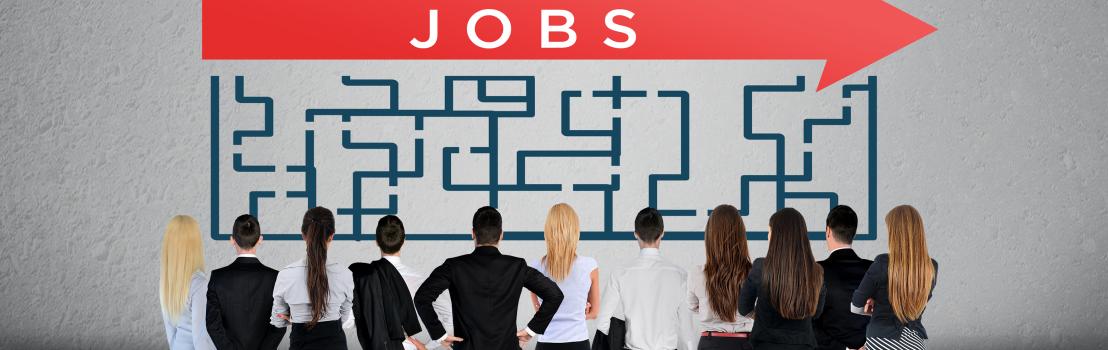
Navigating the employment maze in the EU

Editorial TEam

It’s time to crack the employee vs. self-employed conundrum: we answer your questions.

‘Are you an employee or self-employed?’ This may seem like a simple question. An employee is someone who works for an employer, while a self-employed individual works for themselves. Therefore, for most people, the question is easy to answer. However, in some cases the answer can be challenging. In countries across the EU, disagreements about people’s employment statuses have been brought before national courts. These issues have even been referred to the European Court of Justice.

In this article, we will discuss why your employment status is important. We will also outline some determining factors to distinguish between being an employee or self-employed.

Employee vs Self-Employed: Why does it matter?

The difference between an employee and a self-employed person can be multifaceted, complex and, at times, disputed.

Your status as an employee or a self-employed person will affect your working rights. Over the years, the EU has issued a number of Directives to EU Member States, covering a wide variety of areas such as employee working hours, paid leave, and health and safety in the work environment. An example of these Directives is EU’s Working Time Directive (2003/88/EC), which, among other things, required EU Member States to guarantee employees at least four weeks of paid annual leave per year. These Directives help to guarantee certain rights for employees across the EU.

In addition to your working rights, your employment status will affect your responsibilities, including your responsibilities as a taxpayer. For example, as an employee, your employer is responsible for calculating and sending your employment taxes to the tax authorities. However, if you are self-employed, you are responsible for calculating and sending your taxes to the tax authorities. The tax rules for employment income and self-employment income can be different between EU member states. Therefore, you must know your employment status so that you can make sure your taxes are completed in the correct way.

Am I an Employee or Self-Employed?

There are many employment situations for employees and self-employed people. If there is uncertainty over whether a person is an employee or self-employed, their case must be looked at individually. A person is generally considered an employee if the employer:

  • decides:
    • where the person’s activity is performed (place of work)
    • how many hours a day the person works for (working hours)
    • what activity the person will perform based on the business needs of the company
    • how the activity is to be performed and will give directions to the person
  • bears the risk for the company’s activities.


A person is generally considered self-employed if they:

  • decide:
    • where their activity is performed (place of work)
    • how many hours a day they want to work for (working hours)
    • what activity they will perform based on the business needs of the company
    • how the activity is to be performed
  • bear the risk for the activities they carry out.
  • can hire other people to work for or help them.


In addition, there are a variety of other factors that can be taken into account when determining employment status depending on the individual case.

Where can I learn more?

To find out more about employment and taxation in the EU, explore the range of educational materials available across the TAXEDU website.

“Grandad, I can help you!”, for inclusive digitalisation

Editorial Team


In Italy, the Regional Directorate of Marche of the Italian Revenue Agency has initiated a project called “Grandad, I can help you!”

This project is a significant step towards inclusive digitalisation. In fact, the main objective is to assist elderly individuals in using online tax services with the support of young students.

The project has a dual purpose: firstly, to train today’s students to use the Agency’s online services, since they will be the taxpayers of tomorrow. Secondly, it aims to enhance digital literacy among the elderly population, enabling them to independently manage their interactions with the Revenue Agency.

The Italian Revenue Agency (IRA) organises seminars in high schools during which tax officials explain the use of online tax services to students. This knowledge transfer enables young people to assist their grandparents in using online tax services. In this way, their grandparents will not have to visit IRA offices. The main online Italian tax services include the prefilled tax return, the tax code/health card requests and duplicates, IBAN communication for refunds to bank accounts, registration of lease agreements and deeds, and various other functions.

In the classroom, students simulate access to the Revenue Agency’s online services, navigating the reserved area on the Agency’s website, scheduling appointments at tax offices, submitting documents, and calculating vehicle tax stamps.

The initiative was very successful, involving more than 500 students and grandparents. It will continue to be organised during the new school year.

It’s back to school… back to tax education

Civic Tax Education Team Spain


Everything seems new when September arrives. A new beginning. New projects. The hustle and bustle of school. The joyful sound of children when they reunite with their friends and teachers.

We’re also back with our Civic Tax Education Programme. Educators with fresh energy, along with new materials and new hires.

Once again, we are striving to achieve our goal: to raise awareness among the young that we’re not alone, that we must sustain our Great House, the city or town, transport, hospitals, schools, etc., and everything this entails.

Asked for the first time if they know who pays for their (public) school, the children are surprised to learn that we all pay for it…

The precise definition provided for civic tax education in our Civic Tax Education Programme is extremely important. It is as follows: “Civic Tax Education cannot be reduced merely to teaching practices that enable people to handle tax system requirements. Nor should it be limited to an academic explanation of the meaning and purpose of taxation in a democratic society.”

The main goal of Civic Tax Education is to convey positive values and attitudes towards fiscal responsibility and against fraudulent behaviour.” Therefore, the aim is not so much to provide academic content but civic content.

Civic Tax Education should be viewed as a part of being a responsible citizen. This means assuming tax obligations, firstly because this is a legal requirement, and secondly because it’s our civic duty, highlighting the consequences of non-compliance with these obligations for the individual and for society.

From the TAXEDU portal, we encourage all participating countries in this project to continue working towards tax education.

Úbeda (Jaén). Programa de Educación Cívico-Tributaria. Jornada de Puertas Abiertas


El pasado 16 de mayo, en el marco del Programa de Educación Cívico-Tributaria (PECT), se celebró la Jornada de Puertas Abiertas en la Administración de Úbeda (Jaén). A la misma acudió el alumnado del Ciclo Formativo de la familia de Administración y Gestión del Instituto de Educación Secundaria "Los Cerros" de dicha localidad. Desarrollada en dos sesiones, a la primera acudieron los alumnos y profesorado correspondiente a la especialidad de Técnico en Gestión Administrativa. A la segunda, el de la especialidad de Técnico Superior en Administración y Finanzas.

A lo largo de ambas sesiones, el alumnado abrió un interesante debate sobre la necesidad del sostenimiento de los gastos públicos entre todos, así como la necesidad de contar con formación en responsabilidad fiscal como uno de los valores sobre los que se organiza la convivencia social en una cultura democrática, pasando por la promoción, conforme al artículo 31 de la Constitución Española, de la concienciación fiscal y el discernimiento de los comportamientos sociales inapropiados en materia tributaria.

Hubo también ocasión de informar y resolver dudas sobre opciones de Empleo Público en la Agencia Estatal de Administración Tributaria (AEAT).
Terminadas cada una de las sesiones, el alumnado tuvo la ocasión de visitar las instalaciones de la Administración de Úbeda y conocer de mano de su Administrador las diferentes dependencias y procedimientos tributarios que en ellas se desarrollan, a la vez que valorar el rico patrimonio histórico y arquitectónico que suponen las instalaciones de la Administración de Úbeda, ciudad catalogada como patrimonio de la Humanidad por la UNESCO.

Dichas sesiones fueron coordinadas por Pedro Luis Castro Contreras, Administrador de Úbeda, Raúl García Ruiz, Gestor de Bienes y Servicios de la Delegación de Jaén y Tomás Boyano Sanz, coordinador PECT.
 

PECT. Concurso Nacional de Redacción

La Agencia Tributaria ha entregado los premios a los alumnos ganadores y finalistas del concurso nacional 2021-2022 para centros escolares, un certamen que la Agencia viene convocando anualmente en el marco de su Programa de Educación Cívico-Tributaria y que ahora retoma tras el concurso celebrado en 2019, antes de la crisis sanitaria.

Los galardones se han concedido en las tres modalidades existentes: 'Redacción' para alumnos de Tercer Ciclo de Primaria y de ESO-Bachillerato-FP, y 'Pieza Publicitaria' para alumnos de ESO-Bachillerato-FP.

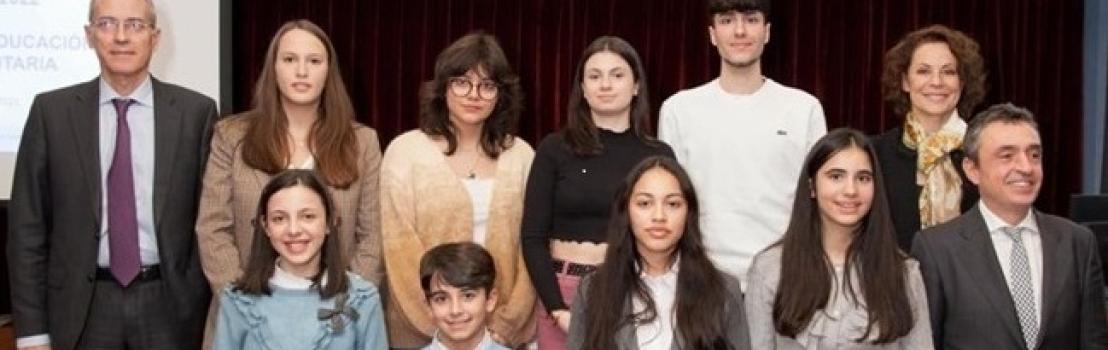
Los tres alumnos ganadores, alumnos que el pasado año cursaron Primaria y ESO en centros de Ávila y Pontevedra, recibieron, al igual que los finalistas, los premios en un acto al que asistieron familiares y profesores.

Tras la entrega de los premios por parte del secretario de Estado, Jesús Gascón Catalán, y la directora general de la Agencia Tributaria, Soledad Fernández Doctor, los escolares leyeron y presentaron sus trabajos, escogidos entre los previamente seleccionados por las distintas delegaciones territoriales de la Agencia.

Los trabajos ganadores y finalistas se publican en el Portal del Programa de Educación Cívico-Tributaria de la AEAT.

La celebración del concurso forma parte de una serie de medidas que tienen por objeto reforzar el Programa de Educación Cívico-Tributaria que la Agencia viene desarrollando desde el año 2003 y que prevé intensificar y desarrollar, de acuerdo con el Plan Estratégico 2020-2023.

El programa cuenta con la participación de funcionarios que imparten charlas a alumnos de los últimos cursos de educación primaria, ESO, Bachillerato, Formación Profesional y universidades. Las actividades desarrolladas en los centros se completan con actividades de formación para el profesorado y jornadas de puertas abiertas para colegios en las 52 delegaciones provinciales de la Agencia.

El pasado año, 255 formadores de las distintas delegaciones territoriales de la AEAT han impartido más de 2.500 horas de formación a más de 53.000 alumnos, superando así la capacidad formativa previa a la reducción de esta actividad que se produjo en los años 2020 y 2021 como consecuencia de la crisis sanitaria del COVID-19.

El objetivo de estas charlas es explicar a los más jóvenes el sentido social que tiene el pago de los impuestos y su correspondencia con el gasto público, así como el perjuicio que el fraude fiscal supone para la sociedad en su conjunto.

Se entiende así que la incorporación de contenidos de educación cívico-tributaria desde la escuela hasta la universidad ayuda a los jóvenes a desarrollar un comportamiento solidario. Los trabajos seleccionados para este concurso nacional incorporan estos mensajes y muestran la necesidad de una correspondencia ética entre intereses personales y beneficios comunes en una sociedad.

Language
Español

PECT. National Writing Contest - SPAIN


The Tax Agency has awarded the prizes to the winning and finalist students of the 2021-2022 national contest for schools, a contest that the Agency has been organizing annually within the framework of its Civic-Tax Education Program and that it is now resuming after the contest held in 2019, before the health crisis.

The prizes have been awarded in the three existing modalities: 'Writing' for students of Third Cycle of Primary and ESO-Bachillerato-FP, and 'Advertising Piece' for students of ESO-Bachillerato-FP.

The three winning students, who last year attended primary and secondary schools in Ávila and Pontevedra, received, like the finalists, the awards in a ceremony attended by family members and teachers.

After the presentation of the prizes by the Secretary of State, Jesús Gascón Catalán, and the Director General of the Tax Agency, Soledad Fernández Doctor, the schoolchildren read and presented their works, chosen from among those previously selected by the different territorial delegations of the Agency.

The winning and finalist works are published in the AEAT's Civic-Tax Education Program Portal.

The holding of the contest is part of a series of measures aimed at reinforcing the Civic-Tax Education Program that the Agency has been developing since 2003 and which it plans to intensify and develop, in accordance with the 2020-2023 Strategic Plan.

The program involves the participation of officials who give talks to students in the last years of primary education, ESO, Baccalaureate, Vocational Training and universities. The activities carried out in the centers are complemented by training activities for teachers and open days for schools in the Agency's 52 provincial delegations.

Last year, 255 trainers from the different territorial delegations of the AEAT have given more than 2,500 hours of training to more than 53,000 students, thus exceeding the training capacity prior to the reduction of this activity that occurred in 2020 and 2021 as a result of the COVID-19 health crisis.

The aim of these talks is to explain to the younger ones the social sense of paying taxes and their correspondence with public spending, as well as the damage that tax fraud entails for society as a whole.

It is thus understood that the incorporation of civic-tax education contents from school to university helps young people to develop a solidary behavior. The works selected for this national contest incorporate these messages and show the need for an ethical correspondence between personal interests and common benefits in a society.

Subscribe to