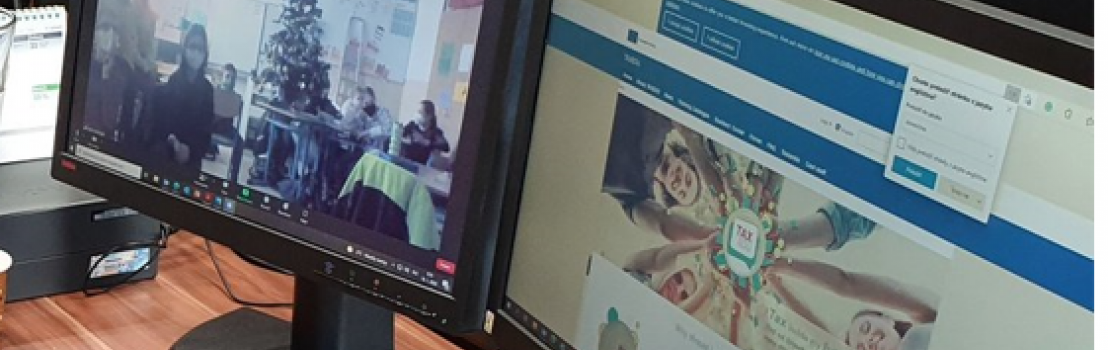
Young students key in the fight against tax evasion

Editorial Team


Governments across the world are grappling with challenges posed by financial fraud, tax evasion and tax avoidance. As they strive to keep up with the global social and economic changes taking place faster than ever before, national tax authorities also have to look inwards, towards their youngest citizens, and ensure that they grow up with sound knowledge of the importance of paying taxes.

Empirical research shows that most people don’t take a rational approach to paying taxes; in other words, they will not pay them simply out of fear of getting fined or otherwise reprimanded for not doing so. For a tax system to work, people need to understand why they are paying them, and actually feel the benefits of contributing to the common good. 

This is why tax education is so important to cultivating tax compliance and discipline of citizens. And there is ample evidence to believe that the earlier you start teaching people about taxes, the better.

In the OECD’s 2019 Tax Morale report, age was found to be one of the main determinants of tax morale globally, with younger people more likely to cheat on taxes than older citizens. This suggests there are significant gains to be made through educational efforts targeting the younger generations, and that building solid taxpaying habits early in a citizen’s life can return a significant dividend over the years . The TAXEDU portal was established on the very same principle: that educating young students about taxes is a key tool in preventing and reducing tax evasion and fraud across Europe.  

Short educational tax programmes can do the trick

A recent paper, ‘Addressing Evasion and Tax Morale by Educating Young Taxpayers’, co-authored by Deputy Director General of the Slovenian Financial Administration, Dr. Simon Starček, explored the importance of national tax administrations in educating students about taxes. Specifically, the study looked at the impact of short educational programmes on tax morale and tax compliance of pupils in primary and secondary schools. 

The results of the study showed that tax morale of Slovenian primary and secondary school pupils slightly declines with age, that the educational background in a student’s household is strongly linked to their tax morale, that household affluence has a negative impact on tax compliance, and that attending educational programmes significantly increased both tax morale and compliance. 

Particularly the last point is key. While integrating tax into nation-wide school curricula makes it possible to reach almost all future taxpayers, this is not always immediately feasible: it takes time and resources, and requires dedicated actions of both tax administrations and schools. A key finding of the study is that even alternative, smaller scale programmes  can be implemented and still produce benefits in tax moral and compliance of young citizens. National tax authorities across the EU are already spear-heading such initiatives, many of which are reported in the TAXEDU newsroom.  

The authors highlight that another aspect to consider when designing and implementing tax education programmes is the need to provide resources not just for the students, but also for the teachers. Not all teachers may be sufficiently tax literate themselves to educate their students on how taxes work and why it’s important to pay them. Initiatives like TAXEDU help address this challenge by providing learning and teaching materials for both teachers and students of all ages . 

Finally, learning about taxes from a young age brings a whole range of benefits beyond simply that of learning how and why you should pay them. Dr. Simon Starček and co-authors point out that dedicated programmes on tax education contribute to improved financial literacy, decision-making, security and ethical behaviour in general. The findings of a 2021 OECD report on taxpayer education is a case in point. It demonstrates that teaching tax to children can also be part of broader citizenship education, presenting an opportunity to build the social contract through helping children see the social utility of taxes, from their use to finance public services and institutions like schools, hospitals and the police to their redistributive function. 

 

MUSÍ PLATIŤ DANE AJ PREZIDENT?

„Musia platiť dane aj príslušníci FS?“, „Platia dane aj bezdomovci?“  Aj takéto otázky sa pýtali piataci na ZŠ Košická v Bratislave z medzinárodného programu PYP s vyučovacím jazykom anglickým počas online Zoom spojenia so zástupcami FS. V rámci blokovej výučby s témou Financie sa deti oboznámili počas hodinovej prednášky formou online prezentácie, aké miesto má finančná správa v našej spoločnosti a čo sa ďalej deje s peniazmi, ktoré vyberie do štátneho rozpočtu. Hoci išlo o 12-ročné deti, ich vedomosti o daniach  a zvedavé otázky boli dobrým signálom toho, že z nich vyrastú uvedomelí daňovníci. Aby si mohli prehlbovať znalosti o daňovom systéme, zoznámili sa s unikátnym portálom o daniach určený deťom a mládeži TAXEDU, ktorý vznikol v gescii EÚ a jeho obsah je k dispozícii v 22 jazykoch.

Language
Slovenčina

Building tax culture and compliance inside and outside the classroom

Editorial Team


On 8 February, IFAC (The International Federation of Accountants), ACCA (The Association of Chartered Certified Accountants), in collaboration with the OECD, will host the webinar “Fostering taxpayer education to enhance public trust in tax and help achieve SDGs”, focusing on successful approaches to taxpayer education identified in a recent OECD report.

The past few years have seen significant progress in international tax co-operation to tackle fraud, tax avoidance, and tax evasion.

However, important challenges remain for domestic revenue mobilisation. This is especially the case in light of the Covid-19 pandemic: over the past two years, we have seen reduced economic activity while demands on states to provide public goods have increased.

A recent OECD report found that successful taxpayer education can boost the willingness of individuals and businesses to voluntarily pay tax, and thereby play a vital role in mobilising the tax revenues urgently needed to achieve the Sustainable Development Goals (SDGs) and help our economies recover from the pandemic.

Building on the experience of 59 countries, the report provides a unique catalogue of the range of taxpayer education initiatives being undertaken around the world: from student essay writing contests to workshops on complying with new technical regulations; from efforts to inspire the taxpayers of the future while still at school, to assistance in filing this year’s returns.

The report also highlights that tax administrations are not alone in their focus on taxpayer education. Many of the initiatives it features are conducted in partnership either with other government departments, schools, business associations, and non-governmental organisations. Partnerships offer opportunities for expansion and scale that otherwise might not be possible, while also ensuring access to the target populations, and specific skills and resources.

It is clear that there is no one-size-fits-all approach to taxpayer education, with countries operating under differing resource constraints and pursuing different goals. There are, however, commonalities among this diversity, enabling the identification of common challenges and solutions. All taxpayer education initiatives focus on one of three key approaches:

  1. Teaching: providing in-depth engagement with the audience, which is often, but not always the youth
  1. Communicating: higher-level engagement focussed on awareness-raising campaigns
  1. Providing practical assistance: supporting taxpayers directly in their compliance obligations.

Based on the outcomes of the OECD report, ACCA and IFAC will host a webinar exploring link between taxpayer education, public trust and achieving SDGs.


Date: 8 February

Time: 15:00-16:45 CET

Medium: YouTube livestream, audience participation via Sli.do


OECD experts, EU policymakers and representatives from academia, industry and national administrations will discuss the benefits of taxpayer education, share best practices and answer audience questions.


Register here to attend the webinar.

MUSÍ PLATIŤ DANE AJ PREZIDENT?

Alebo „Musia platiť dane aj príslušníci FS?“, „Platia dane aj bezdomovci?“  Aj takéto otázky sa pýtali piataci na ZŠ Košická v Bratislave z medzinárodného programu PYP s vyučovacím jazykom anglickým počas online Zoom spojenia so zástupcami FS. V rámci blokovej výučby s témou Financie sa deti oboznámili počas hodinovej prednášky formou online prezentácie, aké miesto má finančná správa v našej spoločnosti a čo sa ďalej deje s peniazmi, ktoré vyberie do štátneho rozpočtu. Hoci išlo o 12-ročné deti, ich vedomosti o daniach  a zvedavé otázky boli dobrým signálom toho, že z nich vyrastú uvedomelí daňovníci. Aby si mohli prehlbovať znalosti o daňovom systéme, zoznámili sa s unikátnym portálom o daniach určený deťom a mládeži TAXEDU, ktorý vznikol v gescii EÚ a jeho obsah je k dispozícii v 22 jazykoch.  Pripomínajú im zdroj zábavy a hier s daňovou tematikou aj v súčasnom čas online štúdia.  

https://taxedu.campaign.europa.eu/en/node/3521

Language
Slovenčina

MUSÍ PLATIŤ DANE AJ PREZIDENT?

Alebo „Musia platiť dane aj príslušníci FS?“, „Platia dane aj bezdomovci?“  Aj takéto otázky sa pýtali piataci na ZŠ Košická v Bratislave z medzinárodného programu PYP s vyučovacím jazykom anglickým počas online Zoom spojenia so zástupcami FS. V rámci blokovej výučby s témou Financie sa deti oboznámili počas hodinovej prednášky formou online prezentácie, aké miesto má finančná správa v našej spoločnosti a čo sa ďalej deje s peniazmi, ktoré vyberie do štátneho rozpočtu. Hoci išlo o 12-ročné deti, ich vedomosti o daniach  a zvedavé otázky boli dobrým signálom toho, že z nich vyrastú uvedomelí daňovníci. Aby si mohli prehlbovať znalosti o daňovom systéme, zoznámili sa s unikátnym portálom o daniach určený deťom a mládeži TAXEDU, ktorý vznikol v gescii EÚ a jeho obsah je k dispozícii v 22 jazykoch. Pripomínajú im zdroj zábavy a hier s daňovou tematikou aj v súčasnom čas online štúdia. 

Language
Slovenčina

MUSÍ PLATIŤ DANE AJ PREZIDENT?

„Musia platiť dane aj príslušníci FS?“, „Platia dane aj bezdomovci?“  Aj takéto otázky sa pýtali piataci na ZŠ Košická v Bratislave z medzinárodného programu PYP s vyučovacím jazykom anglickým počas online Zoom spojenia so zástupcami FS. V rámci blokovej výučby s témou Financie sa deti oboznámili počas hodinovej prednášky formou online prezentácie, aké miesto má finančná správa v našej spoločnosti a čo sa ďalej deje s peniazmi, ktoré vyberie do štátneho rozpočtu. Hoci išlo o 12-ročné deti, ich vedomosti o daniach  a zvedavé otázky boli dobrým signálom toho, že z nich vyrastú uvedomelí daňovníci. Aby si mohli prehlbovať znalosti o daňovom systéme, zoznámili sa s unikátnym portálom o daniach určený deťom a mládeži TAXEDU, ktorý vznikol v gescii EÚ a jeho obsah je k dispozícii v 22 jazykoch. Pripomínajú im zdroj zábavy a hier s daňovou tematikou aj v súčasnom čas online štúdia. 

Language
Slovenčina

MUSÍ PLATIŤ DANE AJ PREZIDENT?

„Musia platiť dane aj príslušníci FS?“, „Platia dane aj bezdomovci?“  Aj takéto otázky sa pýtali piataci na ZŠ Košická v Bratislave z medzinárodného programu PYP s vyučovacím jazykom anglickým počas online Zoom spojenia so zástupcami FS. V rámci blokovej výučby s témou Financie sa deti oboznámili počas hodinovej prednášky formou online prezentácie, aké miesto má finančná správa v našej spoločnosti a čo sa ďalej deje s peniazmi, ktoré vyberie do štátneho rozpočtu. Hoci išlo o 12-ročné deti, ich vedomosti o daniach  a zvedavé otázky boli dobrým signálom toho, že z nich vyrastú uvedomelí daňovníci. Aby si mohli prehlbovať znalosti o daňovom systéme, zoznámili sa s unikátnym portálom o daniach určený deťom a mládeži TAXEDU, ktorý vznikol v gescii EÚ a jeho obsah je k dispozícii v 22 jazykoch. Pripomínajú im zdroj zábavy a hier s daňovou tematikou aj v súčasnom čas online štúdia.

Language
Slovenčina

DOES PRESIDENT ALSO HAVE TO PAY THE TAXES?“

Dana Petre

"Do members of the Financial Administration also have to pay taxes?", "Do homeless people also pay taxes?" These were some of the interesting questions the five-graders asked on the 19th of January during the online Zoom presentation about the TAXEDU and Financial Administration in Slovakia. The pupils of the 5th grade (international program PYP) at ZŠ Košická in Bratislava got acquainted with the main duties of the employees in Financial Administration in Slovakia. During the one-hour lecture in the form of an online presentation, the pupils learned also what happens to the money they collect in the state budget. Although only 12-year-olds, their knowledge of taxes and curious questions were a good sign that they would grow into responsible taxpayers. In order to enlarge their knowledge of the tax system, they have become acquainted with the unique tax portal for children and young people TAXEDU.  Thanks to the bookmarks and badges with the TAXED logo the kids can be reminded about the source of the information full of tax topic-related activities even during the time of online schooling.

Subscribe to