
Fisco e scuola, una gara fra tre squadre


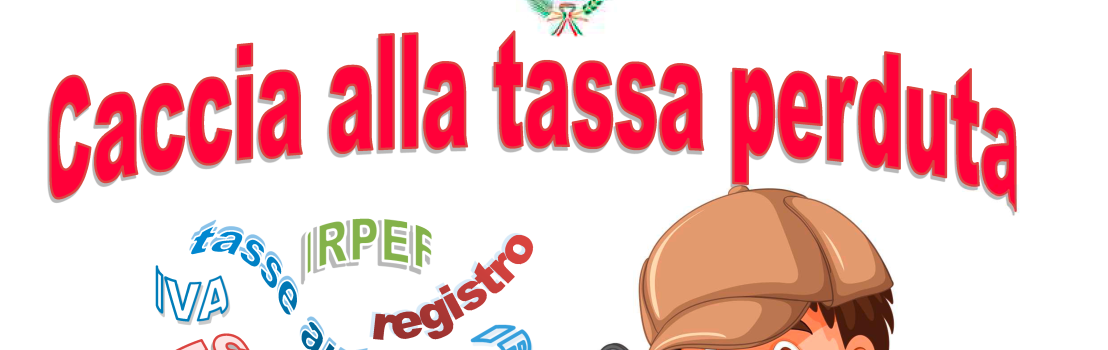
Fisco e scuola, una gara fra tre squadre: Iva, Irpef e Registro i loro nomi. Tutte le classi in competizione hanno terminato il percorso 

In Italia, la direzione regionale della Sardegna dell’Agenzia delle Entrate ha organizzato una caccia al tesoro con una scuola primaria di Cagliari, nell’ambito del progetto Fisco e scuola.

In tutto sono stati coinvolti 70 bambini di circa 10 anni che hanno partecipato al gioco in tre squadre nei locali della loro scuola.

Argomenti principali sono stati la dichiarazione dei redditi, perché è importante pagare le imposte e come si compone il codice fiscale. Due funzionarie dell’amministrazione fiscale sono andate nella scuola e, in un primo momento, hanno fatto una conversazione su questi argomenti, illustrandoli e spiegandoli in modo adatto all’età degli studenti. Un concetto di fondo che hanno trasmesso, insieme alle nozioni base del sistema tributario, è stato il valore etico della contribuzione. Il riferimento alla Costituzione è stato fondamentale.

Nella seconda parte della visita, i bambini si sono suddivisi in tre squadre (Iva, Irpef e Registro) per “sfidarsi” in una caccia al tesoro negli ambienti all’aperto della scuola. Le singole prove erano basate su indovinelli che rimandavano ai contenuti spiegati in aula poco prima, i singoli premi erano lettere che alla fine hanno formato la parola Costituzione. Tutte le squadre hanno completato il percorso e trovato il tesoro: dolci, gadget e una targa per la squadra vincitrice (Irpef).

Durante la premiazione un bambino ha detto al microfono: “Ho imparato come ci dobbiamo comportare da grandi. È molto importante pagare le tasse per la sanità di tutti. Non dobbiamo fare come gli evasori che vivono alle spalle degli altri".


Language
Italiano

Fisco e scuola (taxes and school), a competition between three teams

Editorial Team


Fisco e scuola (taxes and school), a competition between three teams: their names – Iva, Irpef and Registro (VAT, Individual income tax, and Registration tax, respectively). All competing classes completed the course 


In Italy, the Sardinia Regional Directorate of the Agenzia delle Entrate (Tax Office) organised a treasure hunt with a primary school in Cagliari as part of the project Fisco e scuola (taxes and school).

In all, 70 children around 10 years old divided into three teams took part in the game held on their school premises.

The main themes were the tax return, why it is important to pay taxes and how the codice fiscale (tax code) is composed. Two tax administration officials went to the school and firstly talked about these topics, presenting and explaining them in an age-appropriate manner. One key concept they conveyed, together with the basics of the tax system, was the ethical value of tax contribution. The reference to the Constitution was fundamental.

In the second part of the project, the children were divided into three teams (Iva, Irpef and Registro - VAT, Individual income tax, and Registration tax) to "battle it out" in a treasure hunt in the school's outdoor surroundings. Each individual challenge was based on a riddle that referred to a topic that had been covered earlier in the classroom, and the individual prizes were letters that eventually formed the word Costituzione (Constitution). All teams completed the course and found the treasure: sweets, gadgets and a plaque for the winning team (Irpef - Individual income tax).

During the award ceremony, one child said into the microphone: "I learned how we should behave as adults. It is very important to pay taxes for the health of everyone. We mustn't behave like those tax evaders who live off others.”


EduFin_2023_v2.png

Online shopping: What you need to know

Editorial Team


As we enter the festive season, many of us will be looking online to buy gifts for family and friends. However, don’t let unexpected extra costs on your online purchases dampen your holiday spirit. In this article, we introduce some of the additional costs and consumer rights that may affect you, depending on where your online purchases are dispatched from. 


Ordering goods online that are dispatched from another EU country

The European Single Market, also known as the European Common Market, ensures free movement of goods, services, capital, and persons within the EU. As a result, goods can move around the EU almost as freely as they can move around within a single country. 

When you purchase goods online that are dispatched from another EU country:

  • There are no customs duties to be paid, and 
  • The Value Added Tax (VAT) is already included in the final price that you pay at the online checkout. 

However, you may have to pay excise duty on certain goods, such as tobacco and alcohol.


Ordering goods online that are dispatched from a non-EU country

When you order goods originating from outside the EU:

  • You will have to pay customs duties on goods above €150. The customs value is based on the price that you paid for the goods. 
  • The VAT may be included in the final price that you pay at the online checkout. For example, many larger online retailers have signed up to the EU Import One Stop Shop, which means that VAT will be included in the price at the checkout. However, in other cases, where VAT is not included in the checkout price, the postal operator or courier may collect VAT from you upon delivery. The taxable amount on which VAT is charged includes the customs value, taxes, duties, levies, and other charges, such as shipping and insurance costs. 

You may also have to pay excise duties on certain goods, regardless of the price of the goods.


Be careful! Some websites offer to put an incorrect lower price on the customs declaration so that you don’t have to pay duty and/or pay lower VAT. This may result in your goods being seized and/or additional costs, and possibly a fine upon delivery.


Consumer rights in the EU

In addition to the advantages provided by the European Single Market, EU consumer protection rules ensure certain rights for buyers when they shop online. The EU website provides an easy-to-use interactive tool and a factsheet to help you understand your rights when buying in the EU. 


Business location

Before purchasing online, you should check if the business is located in the EU. A website name may indicate that it is an EU-based business, for example, websites that end in a domain extension associated with an EU country (.es, .de, .it). However, this does not guarantee that the business is based in the EU. 

You can check the terms and conditions, privacy policy or ‘contact us’ part of the website to find the physical address of the business. If you know the VAT number for the business as noted on the website, you can validate it online via the VIES VAT number validation webpage.


Further Information

Please check the EU website for a full overview of the EU countries and certain territories where EU rules regulating customs, VAT and excise apply.

To find out more about taxation in the EU, including customs and VAT, explore the broad range of educational materials on the TAXEDU website.


Launch of Revenue’s ‘Introduction to Tax’ module

Editorial Team


On 19 October 2023, the Office of the Revenue Commissioners (Irish tax and customs) launched an ‘Introduction to Tax’ education module for students in Transition Year. Transition Year is the first year of the senior cycle (final three years) in Ireland’s education system with students typically aged between 15 – 16 years old.

The module consists of eight stand-alone but complementary units of learning that cover key tax-related topics, such as:

  • where tax money goes and the benefits for the public;
  • how taxes are made;
  • how employee taxes are calculated;
  • how to use Revenue’s online services;
  • self-employed tax obligations;
  • basic overview of customs rules and the work of our customs teams;
  • introduction to the shadow economy, and Revenue’s compliance activities.

The materials within each of the units consists of PowerPoint presentations, exercise and answer sheets, a learning journal, and any required handouts. Additionally, there are videos, animations, and interactive elements (PDF scenarios, Kahoot! quizzes) within some modules to help supplement student learning. All materials required for delivery of the module are available to download from the Revenue website and are free to use by teachers in the classroom. The materials are available for teaching in English and Irish.

The module provides materials for up to 16 hours of class time across all 8 units. However, teachers have flexibility to adapt the resources to the needs, abilities, and interests of their students. Once a student has completed at least 3 of the 8 units within the module, they can receive a Certificate of Completion from Revenue. 

As part of the design stage, Revenue (Irish tax and customs) worked closely with an educational consultant to ensure that the module provides cross-curricular links within the current junior and senior education cycles and a graphics designer to ensure that the module is age appropriate and visually attractive to the targeted age range. 

In addition to the ‘Introduction to Tax’ module, Revenue have also developed an activity poster in association with OIDE, a professional development organisation for teachers in Ireland. The Tax in Action poster provides tax-based activities for Junior Cycle students between 12 to 15 years old. The activities encourage students to explore the role of tax in society. 

A group of people standing in front of a sign

Description automatically generated

(Left to right): Eamon Devaney, European Commissioner for Financial Stability, Financial Services and Capital Markets Union, Mairead McGuinness, Kathryn Hynes (Unit Manager) and Anita Mulligan at the launch of Revenue’s Transition Year ‘Introduction to Tax’ module on 7 October. 


The launch of the ‘Introduction to Tax’ module is timely as the module meets many of the tax-related competencies within the newly launchedjoint financial competence framework for children and youth developed by the EU and the Organization for Economic Cooperation and Development (OECD). The module meets 12 key tax-related competencies under the content areas Financial Landscape, Money and Transactions and Planning and Managing Finances within this new framework.

5th Edition of the Urban Financial Education Camp Project in Romania

Editorial Team


Between June and September 2023, the Ministry of Finance (MF), the National Bank of Romania (BNR), the Financial Supervisory Authority (ASF) and the Romanian Association of Banks (ARB) organised the 5th edition of the Urban Financial Education Camp, a project dedicated to 6th and 7th grade students. Former editions were organised in June 2019, July-August 2021, as well as June-September 2022.

In 2023, the project was carried out during 16 sessions, lasting one week each, in spaces made available by the BNR through its territorial structures.
Students who had the opportunity to be part of this experience were enrolled in school units in Bucharest, Constanța, Târgu Jiu, Buzău, Baia Mare, Oradea, Cluj-Napoca, Brașov, Timișoara, Craiova, Suceava, Iași and Târgu Mureș.

During the five days of each camp, specialists from the MF, BNR, ASF and ARB presented and explained financial ideas and concepts. Each of the student groups benefited from useful information aimed at developing healthy money management habits and skills to make correct and informed choices that improve their financial situation.

In this context, the importance of financial and tax education, taxes and fees, as well as of the TAXEDU portal, were emphasised. Explanations of what taxes are and the daily benefits through surprising and fun facts about tax from around Europe made learning fun for children and teenagers. This was carried out using simple and accessible language.

Regarding TAXEDU, information was conveyed through games, e-Learning material and micro learning clips so that European youth could learn about tax in its different forms and the issues associated with it (e.g. tax fraud, tax evasion) in a fun and engaging way.

The TAXEDU Portal’s Teachers’ Corner resources, tips and tricks also delighted the children and teenagers.

A distinct point on the agenda for these Urban Financial Education Camps was the canine team’s demonstrations based on the excellent collaboration over the past years with specialists from the Romanian Customs Authority, but also the increased interest of children in this type of activity from the Urban Camps programme. 

Actually, the programme utilised a non-formal teaching methodology called edutainment (education through entertainment). The activities used multi-sensory techniques that resulted in accelerated learning. Children were permanently involved in the financial education process.

In addition, games and activities were used to demonstrate important financial concepts so that students learned and had fun at the same time.
Within the Urban Financial Education Camp, a session dedicated to children from disadvantaged backgrounds was organised between 28 August and 1 September 2023 for a second year in a row. It took place in in an informal setting in Sinaia, a picturesque mountainous town 140 km from Bucharest. The necessary infrastructure was made available to the participants to create a pleasant atmosphere in which knowledge and financial information were assimilated at an optimal level.

Financial education occupies a strategic place on the agenda of all public institutions that have tasks and responsibilities in this regard. The programme’s common objective is to increase the level of financial education among students in Romania.


Lezioni di fiscalità per bambini e studenti italiani


L'Agenzia delle Entrate, in collaborazione con il Ministero dell'Istruzione, dell'Università e della Ricerca, promuove la cultura della tax compliance nelle scuole dal 2004. Nel 2018 l'Agenzia delle Entrate ha realizzato circa 1.600 eventi in Italia, con il coinvolgimento di migliaia di studenti, insegnanti e scuole.

I funzionari dell'Agenzia delle Entrate utilizzano opuscoli, storie, racconti e giochi per illustrare ai bambini il sistema fiscale italiano e l'importanza di contribuire alla realizzazione e al funzionamento dei servizi pubblici pagando le tasse. Gli uffici dell'Agenzia delle Entrate organizzano anche premi scolastici per coinvolgere gli studenti nella realizzazione di video, brochure, cartoni animati e spot con l'obiettivo di descrivere in modo semplice l'importanza del contributo di tutti e del rispetto delle regole civiche.
Language
Italiano

Incontri online con gli studenti


L'Agenzia delle Entrate, a causa dell'emergenza pandemica, ha organizzato eventi virtuali con le scuole per spiegare i principi dell'educazione fiscale, continuando così la sua attività di educazione fiscale anche in questo periodo di emergenza.

In Italia molte scuole sono chiuse a causa della pandemia di coronavirus e utilizzano la formazione a distanza per le lezioni. L'Agenzia delle Entrate ha quindi riorganizzato le proprie attività con gli studenti promuovendo incontri online.

In particolare, la Direzione regionale dell'Emilia Romagna, nel nord Italia, ha promosso il progetto "Un consulente familiare - Online" rivolto agli studenti delle scuole superiori. L'iniziativa consiste in webinar su diversi temi: l'importanza di pagare le tasse, le attività dell'Agenzia delle Entrate, i servizi online e la dichiarazione dei redditi. Al termine dei webinar, gli studenti devono elaborare un project work sulle tematiche fiscali.

Anche la Direzione regionale della Sicilia ha promosso webinar dal titolo "#Istayathomewithtaxandschools". Durante questi webinar, i funzionari del fisco spiegano ai bambini l'importanza di pagare le tasse per il progresso della società utilizzando un divertente cartone animato
Language
Italiano

Due nuovi prodotti digitali per gli studenti


L'Agenzia delle Entrate, in collaborazione con l'Agenzia delle Entrate-Riscossione, ha realizzato due quaderni didattici, uno per le scuole primarie (età 5-10 anni) e uno per le scuole secondarie di primo grado (età 11-18 anni).

I quaderni sono disponibili on line, sul sito dell'Agenzia delle Entrate e possono essere utilizzati da studenti, insegnanti e famiglie, sia in classe che a casa.

I due prodotti editoriali utilizzano un linguaggio semplice e contengono elementi multimediali, come link a film, video, cartoni animati e canzoni. L'obiettivo è spiegare l'importanza di pagare le tasse e di rispettare regole e leggi, utilizzando un linguaggio vicino agli interessi di bambini e studenti.

I libretti contengono una pagina dedicata a TAXEDU e alle attività dell'Unione Europea per bambini e adolescenti, come il sito Learning corner.

Language
Italiano

Ottobre, il mese dell'educazione finanziaria in Italia

In Italia, ogni anno, nel mese di ottobre, il Ministro dell'Economia e delle Finanze organizza il Mese dell'Educazione Finanziaria. Il tema di questa edizione è stato "Build today what matters for your future" ("Costruisci oggi ciò che è importante per il tuo futuro") e molte organizzazioni hanno programmato incontri e conferenze, online e in presenza, su finanza, assicurazioni e previdenza in tutta Italia.

L'evento di apertura è stata la Settimana Mondiale dell'Investitore, organizzata dalla Commissione Nazionale per le Imprese e la Borsa (Consob). Altri temi organizzati hanno riguardato la giornata di formazione sulle assicurazioni (19 ottobre) e la settimana di formazione sulla previdenza (24-30 ottobre).

L'Agenzia delle Entrate ha realizzato molte di queste iniziative in collaborazione con altre amministrazioni e con gli stakeholder. Le nostre Direzioni regionali di Sicilia, Abruzzo, Campania, Emilia Romagna, Sardegna, Toscana e Veneto sono state coinvolte in questi eventi.

Gli incontri erano rivolti a famiglie, bambini, giovani e insegnanti.La creatività ha spinto i nostri colleghi a nuove attività. Alcuni colleghi hanno approfondito la tassazione per i nuovi lavori, come blogger, YouTuber, influencer, ecc. Altri colleghi hanno invitato ragazzi e ragazze a dipingere un "murale" con il supporto di un artista di strada; altri ancora hanno parlato di strumenti finanziari e diritto tributario, o di agevolazioni fiscali per l'acquisto o la ristrutturazione di una casa, e molto altro ancora.

Language
Italiano

„Opa, ich kann dir helfen!“, für eine inklusive Digitalisierung


In Italien hat die Regionaldirektion der italienischen Steuerbehörde in der Region Marken ein Projekt mit dem Titel „Opa, ich kann dir helfen!“ initiiert.

Dieses Projekt ist ein wichtiger Schritt in Richtung einer integrativen Digitalisierung. Das Hauptziel besteht darin, ältere Menschen bei der Nutzung von Online-Steuerdiensten zu unterstützen, und zwar mit Hilfe von jungen Schülern.

Das Projekt verfolgt einen doppelten Zweck: Zum einen sollen die Schüler von heute in der Nutzung der Online-Dienste der Agentur geschult werden, da sie die Steuerzahler von morgen sein werden. Zweitens soll die digitale Kompetenz der älteren Bevölkerung verbessert werden, damit sie ihre Interaktionen mit der Steuerbehörde selbständig verwalten können.

Die italienische Steuerbehörde (IRA) organisiert Seminare an Gymnasien, in denen Steuerbeamte den Schülern die Verwendung von Online-Steuerdiensten erläutern. Dieser Wissenstransfer ermöglicht es jungen Menschen, ihre Großeltern bei der Nutzung von Online-Steuerdiensten zu unterstützen. Auf diese Weise müssen ihre Großeltern nicht die Büros der italienischen Steuerbehörde besuchen. Die wichtigsten Online-Steuerdienste in Italien umfassen die vorausgefüllte Steuererklärung, die Beantragung von Steuer- und Gesundheitskarten sowie Duplikaten, die Übermittlung der IBAN für Rückerstattungen auf Bankkonten, die Registrierung von Mietverträgen und Urkunden sowie verschiedene andere Funktionen. 

Im Klassenzimmer simulieren die Schüler den Zugang zu den Online-Diensten der Steuerbehörde, navigieren im geschützten Bereich auf der Website der Behörde, vereinbaren Termine in den Steuerbehörden, reichen Dokumente ein und berechnen die Kfz-Steuermarken.

Die Initiative war sehr erfolgreich: Mehr als 500 Schüler und Großeltern nahmen daran teil. Sie wird auch im neuen Schuljahr fortgesetzt.

Language
Deutsch
Subscribe to