


Purpose:
Students should understand what Value Added Tax represents and how is it paid and collected in the EU.
Objectives:
• Understand the general concept of “Added-Value” of a product/service.
• Identify the process of receiving and paying VAT, until it reaches the final destination: the State Budget.
• Identify the EU’s role in collecting taxes and how the EU Budget is funded.
The content of this training course:
- is of general nature only and is not intended to address the specific circumstances of any particular individual or entity;
- does not provide professional or legal advice;
- is valid as of the date of its publication. Updated VAT rates can be consulted on EUROPA.
Only European Union legislation published in the Official Journal of the European Union is deemed authentic.
Materials:
• Micro-clip “Value added tax - VAT”
• Interactive whiteboard (or just an LCD projector)
Vocabulary:
taxes, added-value, State Budget.

Purpose:
Students find out the history of customs duties and what is their role in nowadays’ society.
Objectives:
• Find out the origins of customs duties in history and why they had to be paid.
• Understand the role that customs duties play nowadays in our Society.
• Identify how customs duties are applied in the EU.
The content of this training course:
- is of general nature only and is not intended to address the specific circumstances of any particular individual or entity;
- does not provide professional or legal advice;
- is valid as of the date of its publication. Updated VAT rates can be consulted on EUROPA.
Only European Union legislation published in the Official Journal of the European Union is deemed authentic.
Materials:
• Micro-clip “What is customs duty?”
• Interactive whiteboard (or just an LCD projector)
Vocabulary:
Customs duties, duty-free, customs union
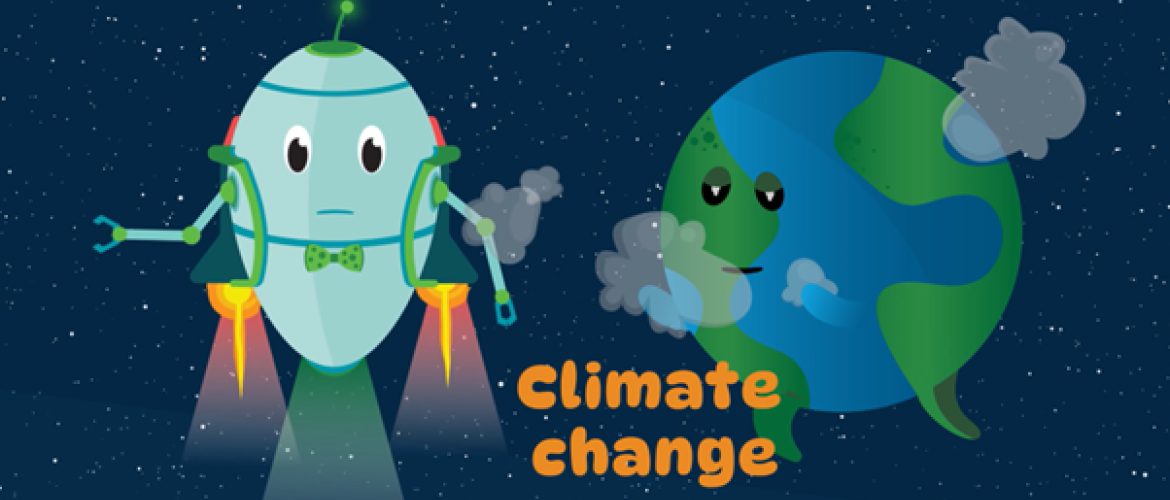
This nanolearning provides a clear and practical overview of what is climate change and how the EU is addressing this challenge. Climate change refers to long-term shifts in temperatures and weather patterns, with its main driver being human activity. This poses a serious threat to the world with consequences that impact all of us. To tackle this challenge and foster a clean environment, the EU created the European Green Deal, which consists of green taxation policies with ambitious targets to become a climate-neutral continent by 2050. Green taxation policies (regarding energy, pollution, transport and resources) play an active role in promoting cleaner energy, more sustainable industry and greener habits whilst ensuring social fairness. The learners will understand what are the new policies and how they are implemented to support the environmental policy goals of the EU.
Target audience
The nanolearning module is targeted to TaxEdu - Teenagers.
Learning objectives:
By the end of this course, you will be able to:
- Understand what climate change is and how it affects the environment and our daily lives.
- Acknowledge green taxation and understand how it can support the EU’s environmental goals.
Course duration
The total duration of the course is approximately 10 minutes.