
De ce să le vorbim adolescenților despre taxe și impozite?


Poate că taxele și impozitele sunt ultimul lucru la care se gândesc adolescenții, însă acestea sunt o parte importantă a educației civice. TAXEDU conține o mulțime de sfaturi pentru a începe.

Firește că adolescenții au auzit de taxe și impozite – la știri și de la părinți – dar probabil că le este greu să le asocieze cu realitatea vieții lor. Aici poate fi de folos TAXEDU, explicând modul în care taxele și impozitele contribuie la tot ceea ce ne face viața mai ușoară – de la crearea și întreținerea infrastructurii și lucrărilor publice până la îngrijirea bunicilor noștri și a celor care au nevoie de asistență medicală.

Mai mult, sunt explicate și tipurile specifice de taxe și impozite – de la impozitul pe venitul persoanelor fizice și pe proprietate până la taxa de mediu și taxa pe consum.

TAXEDU a consolidat toate aceste informații și multe altele, gata pentru a fi folosite de către elevi/studenți și profesori. Site-ul TAXEDU conține sfaturi despre cum am putea face educația fiscală relevantă și distractivă pentru adolescenți.

Descoperiți patru sfaturi TAXEDU!


Sfatul 1: captați-le interesul

Adolescenții din ziua de astăzi petrec mult timp online, descărcând muzică, vizionând filme, făcând cumpărături, jucându-se și conversând cu prietenii. Secțiunea TAXEDU dedicată adolescenților arată în ce măsură activitățile online sunt legate de taxe și impozite și prezintă bunele practici de aplicat atunci când facem cumpărături online.


Sfatul 2: locurile de muncă pe timpul verii

Întrucât majoritatea adolescenților își găsesc locuri de muncă pe timpul verii, este important să cunoască normele referitoare la angajare și impozitare, dat fiind că li se aplică. Adolescenții pot afla ușor despre acestea de la Anna, o adolescentă TAXEDU care își caută un loc de muncă pe timpul verii în Luxemburg.


Sfatul 3: clarificări despre piața neagră

Drepturile de proprietate intelectuală și contrafacerea sunt două concepte importante cu care adolescenții rezonează. TAXEDU prezintă exemplul Tinei, care vrea să asculte cel mai nou album al lui Lady Lala. Ar trebui să cumpere albumul de la magazinul de muzică, să îl descarce sau să cumpere CD-ul de la o tarabă din piață, la un preț foarte mic? TAXEDU îi ajută pe tineri să abordeze aceste probleme și evidențiază cum poate fi evitată cumpărarea de falsuri.


Sfatul 4: donațiile în scop caritabil

Importanța serviciilor comunitare, a voluntariatului și a donațiilor nu trebuie subestimată. În unele țări, donațiile către ONG-uri, fundații și organizații caritabile – de la cele care finanțează cercetarea medicală până la cele care se ocupă de conservarea clădirilor de patrimoniu – duc la obținerea de facilități fiscale. TAXEDU explică cum funcționează acest mecanism.


Mai multe sfaturi
 

Language
Română

Prečo by sme mali s tínedžermi hovoriť o daniach


Dane môžu byť to posledné, čo tínedžerov zaujíma, sú však dôležitou súčasťou občianskeho vzdelávania. TAXEDU ponúka množstvo tipov, ako začať.

Tínedžeri už samozrejme o daniach počuli – v správach a od svojich rodičov, je však pravdepodobné, že je pre nich problém spojiť to so svojou realitou. Tu môže TAXEDU pomôcť tým, že poskytne vysvetlenie, ako dane prispievajú ku všetkému, čo uľahčuje život – od vytvárania a udržiavania infraštruktúry a verejných prác až po starostlivosť o našich starých rodičov a tých, ktorí potrebujú zdravotnú pomoc.

Okrem toho sa vysvetľujú aj konkrétne typy daní – od osobnej a majetkovej dane po environmentálnu a spotrebnú daň.

Na TAXEDU sa zjednotili všetky tieto aj ďalšie informácie pripravené pre študentov a učiteľov. Webová lokalita TAXEDU obsahuje tipy, ako urobiť daňové vzdelávanie relevantným a zábavným pre tínedžerov.

Vyskúšajte štyri tipy TAXEDU!


Tip č. 1: Zapojte ich

Dnešní tínedžeri trávia veľa času na internete, sťahovaním hudby, sledovaním filmov, nakupovaním, hraním hier a chatovaním s priateľmi. Sekcia TAXEDU venovaná tínedžerom približuje, ako online aktivity súvisia s daňami, a uvádzajú sa v nej osvedčené postupy, ktoré je potrebné uplatňovať pri online nákupoch.


Tip č. 2: Letná brigáda

Keďže väčšina tínedžerov si hľadá na leto brigádu, je dôležité, aby poznali pravidlá zamestnávania a zdaňovania, ktoré sa na nich vzťahujú. Tínedžeri sa to ľahko naučia od Anny, tínedžerky z TAXEDU, ktorá hľadá letnú brigádu v Luxemburgu.


Tip č. 3: Objasnenie čierneho trhu

Práva duševného vlastníctva a falšovanie sú dva dôležité pojmy, ktoré sa týkajú tínedžerov. Na TAXEDU sa uvádza príklad Tiny, ktorá si chce vypočuť najnovší album Lady Lala. Mala by si kúpiť album v obchode s hudbou, stiahnuť si ho alebo si kúpiť CD v stánku na trhu za veľmi nízku cenu? TAXEDU pomáha tínedžerom tieto problémy riešiť a objasňuje, ako sa vyhnúť nákupu falzifikátov.


Tip č. 4: Dary na charitu

Nemala by sa podceňovať dôležitosť verejnoprospešných prác, dobrovoľníctva a darcovstva. Darovanie mimovládnym organizáciám, nadáciám a charitatívnym organizáciám – od tých, ktoré financujú lekársky výskum, až po tie, ktoré sa starajú o udržiavanie historických budov – vedie v niektorých krajinách k daňovým úľavám. TAXEDU vysvetľuje, ako to funguje.


Ďalšie tipy


Language
Slovenčina

Zakaj bi se morali z najstniki pogovarjati o davkih


Davki so verjetno zadnja stvar, o kateri razmišljajo najstniki, vendar so pomemben del državljanske vzgoje. Na portalu TAXEDU najdete ogromno nasvetov, kako načeti to tematiko.

Najstniki so seveda že slišali za davke – na poročilih ali od svojih staršev, vendar jih verjetno težko povežejo s svojo realnostjo. Tukaj vam lahko priskoči na pomoč portal TAXEDU, saj pojasni, kako davki prispevajo k vsem stvarem, ki poenostavijo naše življenje – od grajenja in vzdrževanja infrastrukture ter javnih gradbenih del do skrbi za naše stare starše in tiste, ki potrebujejo zdravstveno pomoč.

Še več, na portalu so obrazložene posamezne vrste davkov – od dohodnine in davka od dohodka do okoljskega davka in davka na potrošnjo.

Na portalu TAXEDU so združene te in še druge informacije, ki so na voljo učencem in učiteljem. Spletna stran TAXEDU vsebuje nasvete o tem, kako izobraževanje o davkih na zabaven način približati najstnikom.

Preberite štiri nasvete portala TAXEDU!


1. nasvet: Navdušite jih

Današnji najstniki preživljajo veliko časa na spletu, prenašajo si glasbo, gledajo filme, nakupujejo, igrajo igrice in klepetajo s prijatelji. Zavihek za najstnike na portalu TAXEDU prikazuje, kako so spletne dejavnosti povezane z davki in opisuje dobre prakse spletnega nakupovanja.


2. nasvet: Poletno delo

Večina najstnikov si poišče delo v poletnem času, zato je pomembno, da ob prijavi na delovno mesto poznajo pravila zaposlovanja in obdavčevanja. Najstniki lahko to na preprost način izvejo od Anne, najstnice s portala TAXEDU, ki išče poletno delo v Luxembourgu.


3. nasvet: Osvetlite vprašanje o črnem trgu

Pravice intelektualne lastnine in ponarejanje sta dva pomembna pojma, ki se dotakneta najstnikov. Na portalu TAXEDU je predstavljena zgodba Tine, ki si želi poslušati najnovejši album Lady Lala. Ali naj album kupi v glasbeni trgovini, ga prenese s spleta ali kupi CD na stojnici po zelo nizki ceni? TAXEDU najstnikom pomaga obravnavati ta vprašanja in izpostavi, kako se izogniti nakupom ponarejenih izdelkov.


4. nasvet: Dobrodelne donacije

Ne smemo podcenjevati pomembnosti družbenokoristnega dela, prostovoljstva in donacij. V nekaterih državah podjetja prejmejo davčno olajšavo, če donirajo denar nevladnim organizacijam, skladom in dobrodelnim ustanovam – od tistih, ki financirajo medicinske raziskave, do tistih, ki vzdržujejo stavbe kulturne dediščine. TAXEDU pojasni, kako to deluje.


Več nasvetov


Language
Slovenščina
How Barcelona team brings current affairs to civic tax education, Spain

How Barcelona team brings current affairs to civic tax education, Spain

Carmen Verdejo - DR Informática Cataluña, Tax Agency, Spain


Over the last two years we have all noted the importance of solidarity and cooperation between people and countries, and the role of taxes in this matter.


We have been bombarded by medias with previously unknown terms such as coronavirus, speed transmission or aerosol, but there has also been more talk than ever about taxation, wealth sharing and welfare state.


In the tax education talks given by the educators of the Barcelona campus of Catalonia Special Delegation, we used to take advantage of current news to inform young people about the details of our tax system and its importance in the development of countries and, above all, in people's lives.


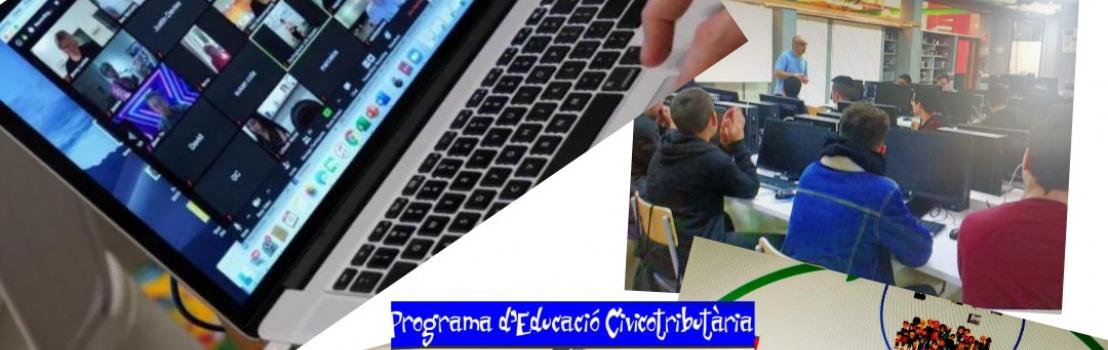
Thus, during the confinement, we prepared new presentations that would allow us to be more dynamic, we created games that would test their knowledge about taxes, we compiled videos and news with the opinión  of famous people on taxation. In short, we used computer tools well known to them  along with the resources offered by TAXEDU and the AEAT tax-education websites,   to explain and let them know what taxes are for, but even more, to encourage them to think, to express their opinion, to be active citizens in the construction of a fairer world for each and everyone.


Carmen Verdejo
DR Informática Cataluña
Tax Agency. Spain

Why we should talk to teens about tax

Why we should talk to teens about tax

Editorial team


Taxes may be the last thing on the minds of teenagers, but it’s an important part of civic education. TAXEDU’s packed with tips to get you started.


Of course teenagers have heard about taxes – on the news and from their parents, but it is likely they have difficulty relating it to their reality. This is where TAXEDU can help by explaining how taxes contribute to all things that make life easier – from creating and maintaining infrastructure and public works to caring for our grandparents and those who need medical assistance.


What’s more, specific types of taxes are also explained – from personal and property tax to environmental and consumption tax and VAT.


TAXEDU has consolidated all this information and more, ready for students and teachers.  The TAXEDU website contains tips about how to make tax education relevant and fun for teens. 


Check out four TAXEDU tips!


Tip 1: Get them hooked
Today’s teenagers spend a lot of time online, downloading music, watching movies, shopping, gaming and chatting with friends. TAXEDU section dedicated to teens shows how online activities are related to tax and outlines the good practices to apply when making online purchases. 


Tip 2: Summer job
Since most teenagers find jobs over the summer, it’s important for them to be aware of employment and taxation rules as they apply to them. Teenagers can easily learn about this from Anna, a TAXEDU teen looking for a summer job in Luxembourg.


Tip 3: Shedding light on the black market
Intellectual property rights and counterfeiting are two important concepts that hit home with teenagers. TAXEDU takes the example of Tina, who wants to listen to Lady Lala’s latest album. Should she buy the album from the music store, download it or buy the CD from a market stall at a very low price? TAXEDU helps teens address these issues and highlights how to avoid purchasing fakes.


Tip 4: Charity donations
The importance of community service, volunteering and donation should not be underestimated. In some countries, donating to NGOs, foundations and charities – from those funding medical research to those maintaining heritage buildings – results in a tax relief. TAXEDU explains how it works.


More tips

Civic - Tax Education. Badajoz, Spain

Civic - Tax Education. Badajoz, Spain

Juan Francisco Muñoz Corredor


Course 2019-2020. First trimester. Balance

At the end of the first quarter of the 2019-2020 school year, we sent information about our activity within the Civic Tax Education Plan in the province of Badajoz.

Our first sensation is of satisfaction with the harvest of the fruits of what we have been sowing, that is, the great demand for our civic-tax sessions in educational centers of all levels.

Thus, we started at the University of Extremadura for students of the degree in Economics and Business Administration, we continued with primary education centers and ended meeting with students of professional training of administrative management cycles and assistance to management.  We have taken our "KIT-PECT" and we have visited centers throughout the province, with special affection in those schools with so few students, that joining 5th and 6th grade we were ten in class (counting the two teachers). We have also opened the doors of the Delegation to receive schools and institutes, an activity that the rest of the colleagues always appreciate when they see so many children enter our workplace with their astonished faces.

We would like to make a special mention of CEIP Trajano de Mérida, a very active center in social networks, which covered our visit to the center (as attached in photos) and which has had great follow-up among parents, relatives and followers with the corresponding "likes" , "resubmits" and "retweets".

Subscribe to